Do You Have Cataracts?
Don’t Worry. Surgery is Simple.
Cataract surgery is a simple, outpatient procedure. It’s completely safe and virtually painless. Recovery is fast, and in most cases you can resume normal activities the next day. If you’ve been told you have cataracts, or if you’re over 50 and experiencing changing in your vision, it’s time to visit Elmquist Eye Group for a cataract evaluation.
Understand Your Lens Replacement Options
Advanced lens implants provide clear vision for distance, intermediate and near tasks, allowing patients to spend the majority of their day without glasses or bifocals. That means, after cataract surgery, you can see like you did 30 years ago! Imagine being able to drive, play tennis, dial your phone and check emails – all without glasses. With today’s cataract surgery, glasses-free vision can be yours.
Do I have Cataracts?
Cataract Symptoms
If you’re experiencing any of the following cataract symptoms:
- Faded or dull colors
- Problems with glare
- Sensitivity to light
- Halos around lights when driving
- Difficulty reading in low light
- Blurred or double vision
- Frequent need to change your glasses prescription,
Schedule Your Cataract Evaluation
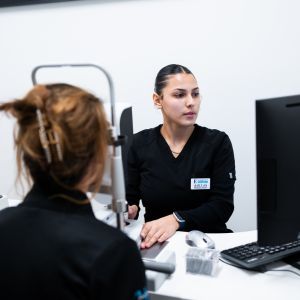
During your cataract evaluation, Dr. Rodriguez will thoroughly examine the front and back of your eye, to determine if you have cataracts. We will discuss the pros and cons of laser cataract removal, clarify myths about eye drops that dissolve cataracts, and explain your lens implant options. Clear, full-range vision is waiting – schedule today!
“I knew it was time for cataract surgery when I couldn’t see my pickle ball land.”


Frequently Asked Questions
What Causes Cataracts?
While aging is the most common cause, cataracts can also result from eye injuries, certain medications, and prolonged exposure to sunlight. Medical conditions such as diabetes can speed up their development. Lifestyle habits like smoking may also increase risk. Knowing your risk factors helps you be proactive about eye health and plan for treatment when it becomes necessary.
What are the first signs of having cataracts?
At first, the cloudiness in your vision caused by a cataract may affect only a small part of the eye’s lens. You may not notice any vision loss. As the cataract grows larger, it clouds more of your lens. More clouding changes the light passing through the lens. This may lead to more noticeable symptoms, such as glare or halos when driving at night and increased sun sensitivity.
Cataract Treatment Options
Once a cataract forms, it cannot be reversed with medication, diet, or glasses. The only proven treatment is surgical removal of the cloudy lens and replacement with a clear, artificial lens. At Elmquist Eye Group, cataract surgery is performed with advanced technology, including laser-assisted techniques for added precision. These options allow us to tailor your treatment to your eyes, vision goals, and lifestyle.
Cataract Surgery Recovery
Cataract surgery is a quick, outpatient procedure that replaces your cloudy lens with a clear implant in under 15 minutes. You’ll be awake but comfortable, and most people see better within a couple of days.
schedule your evaluation
Ready to See Clearly Again?
Schedule your personal Lens Evaluation with Dr. Rodriguez. Click below or call us at (239) 936-2020 to schedule your visit.